Doctrine Frontier The Passage Founder The Lab Pathways Explore
KNOWN PATHWAY — II

Medical & MRI Systems

Infrastructure thermal burden in protected clinical environments

MRI suite thermal burden — helium boil-off and thermal instability

The System Carrying Too Much Alone

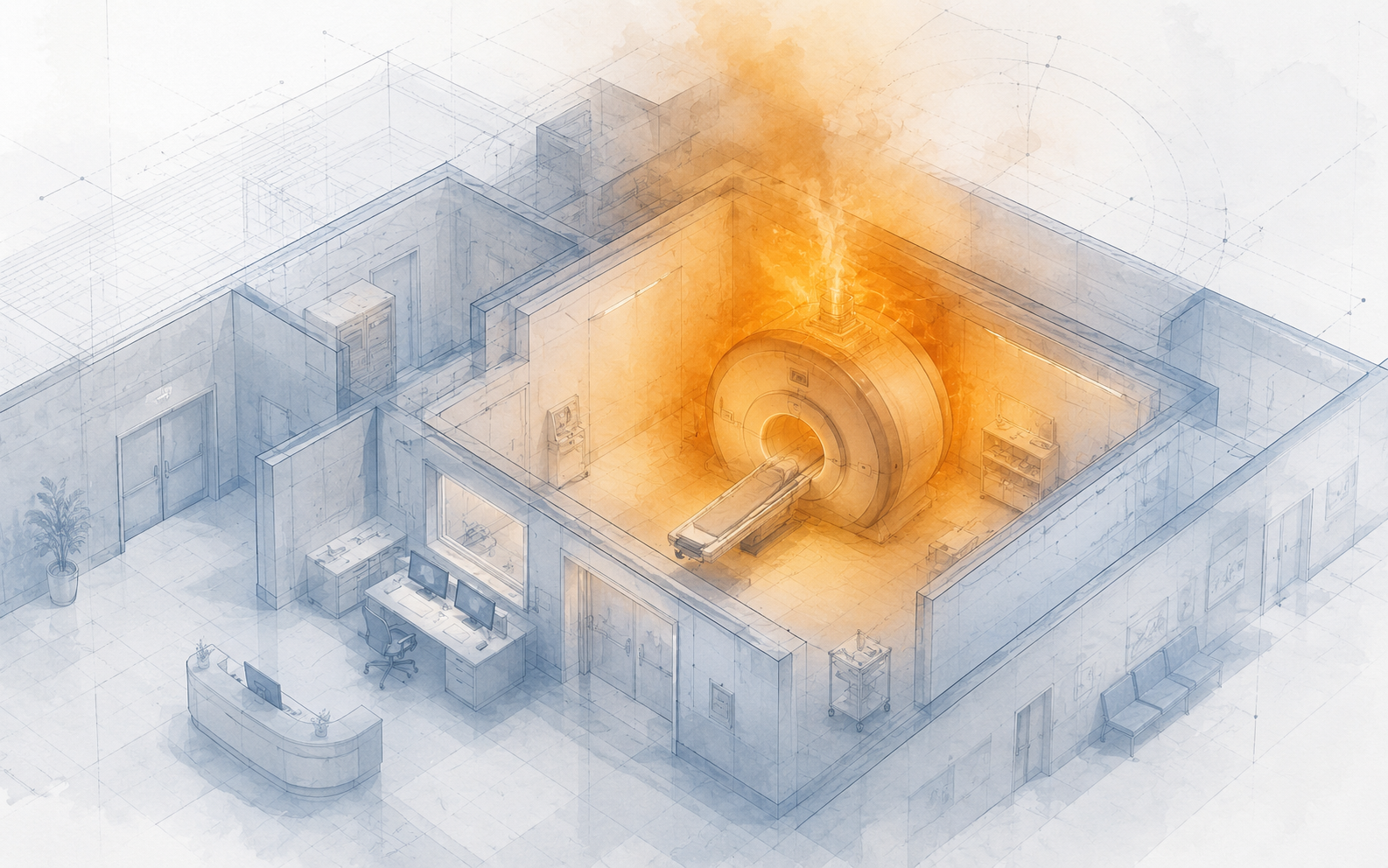
MRI systems carry one of the most thermally demanding loads in clinical infrastructure. The superconducting magnet requires liquid helium maintained at near absolute zero to sustain its field. That thermal governance is continuous, precise, and unforgiving.

When it drifts — even partially — the system quenches. The magnet warms. The helium vents. The scanner goes offline. Patients wait. Clinicians improvise. The cost is measured in access, continuity, and the compounding consequences of delayed diagnosis.

Conventional helium supply chains are fragile, expensive, and increasingly constrained. The clinical environment carrying this burden is doing so largely alone.

The burden is real. The continuity it threatens is more valuable than the equipment itself.
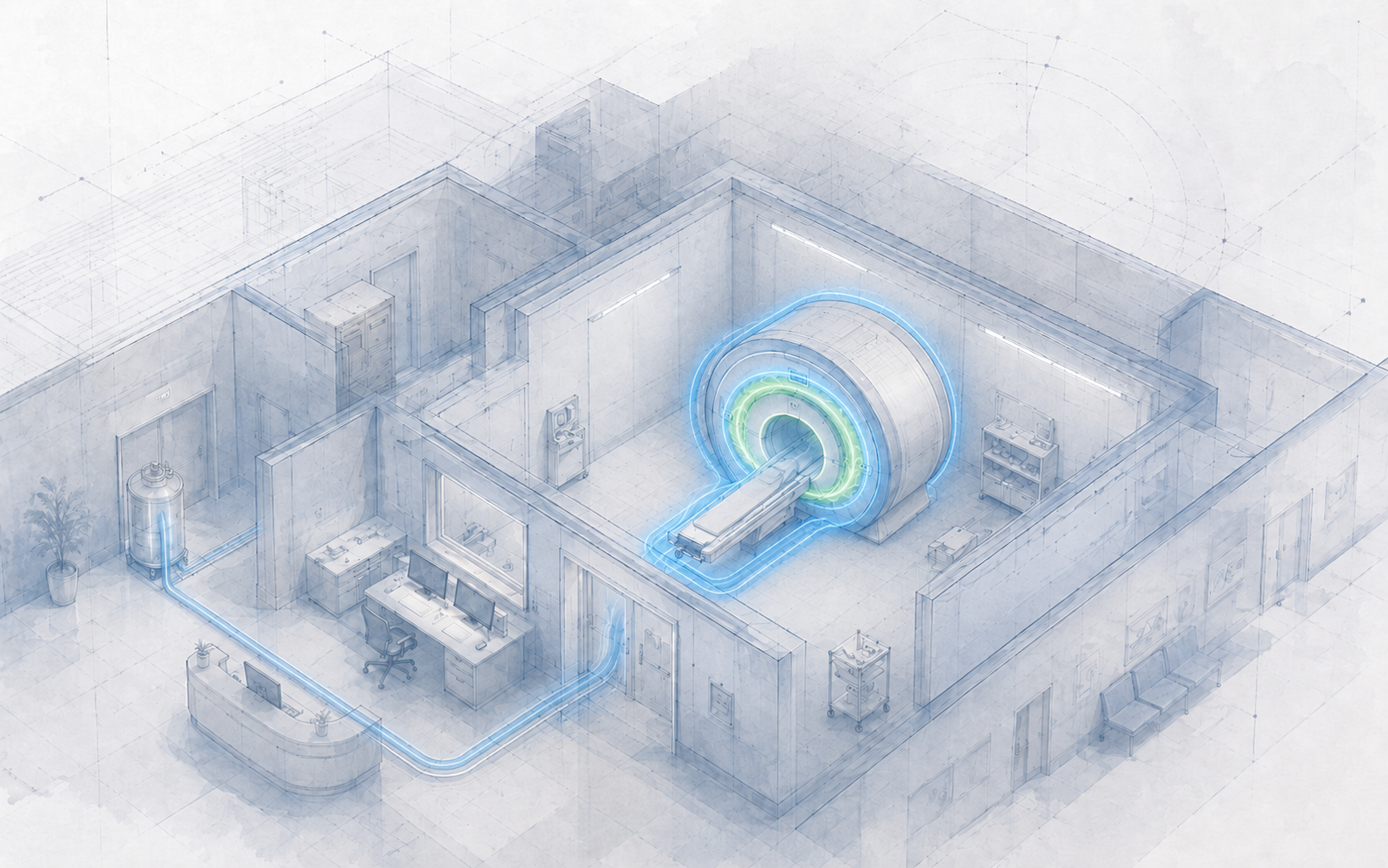
CryoFlux governed cold delivery stabilizing MRI thermal environment

Precision Governance for Protected Environments

CryoFlux develops governed cold-path architecture designed for the precision and restraint that clinical environments require. The supply path arrives with care — not force. It reaches the thermal burden at the magnet housing and the warmth begins to soften.

The return path carries the absorbed load back through the loop. The system stabilizes. The dependency on continuous external helium supply is reduced. The clinical environment gains thermal resilience it did not have before.

This is infrastructure thermal burden in a protected clinical environment. The intervention must be as disciplined as the environment it serves.

CryoFlux provides a cold way AROUND.